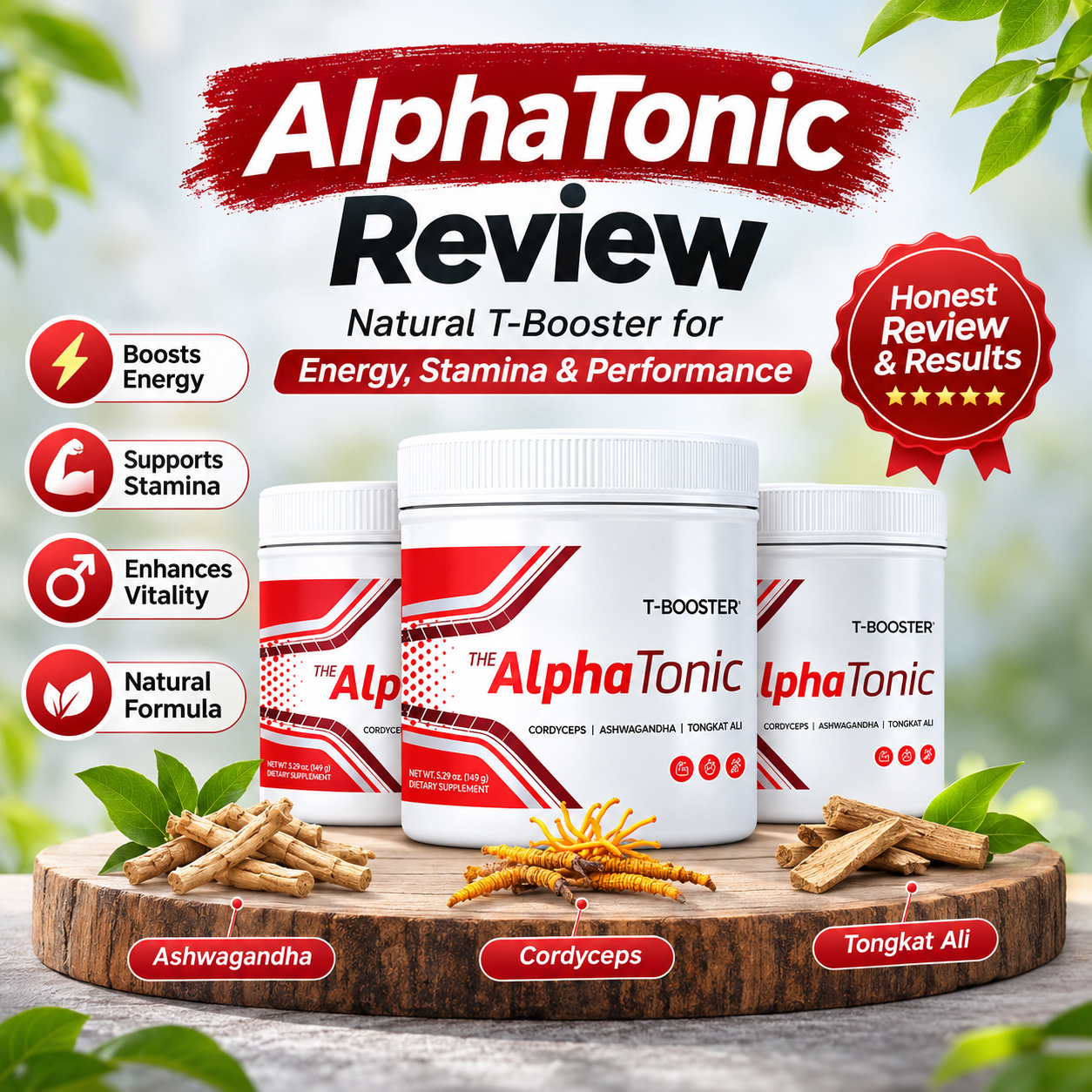
Alpha Tonic's label lists 11 ingredients, and understanding what each one is — and isn't — proven to do helps separate marketing language from realistic expectations. This guide walks through each ingredient individually. For a quick-reference version with anchor links, see the complete Alpha Tonic ingredients page.
Rather than relying on one compound, Alpha Tonic combines botanicals with vitamins and minerals. The advantage is convenience — one product instead of several. The trade-off is that it's harder to know which specific ingredient is responsible for any change you might notice, which is why checking individual ingredient amounts on your current label matters more than the ingredient list alone.
A botanical with roots in Ayurvedic tradition, Ashwagandha has been studied for a possible connection to stress and general well-being. Results vary significantly by extract type, dosage, and the population studied, and it may not be appropriate for people with certain thyroid, autoimmune, or liver conditions.
Known scientifically as Eurycoma longifolia, Tongkat Ali is a Southeast Asian botanical that frequently appears in men's vitality formulas. Evidence remains limited to specific preparations studied in research settings, which is why the amount and extract type listed on your label is worth checking directly.
Beyond its use as a cooking spice, Fenugreek is included in supplements for a range of wellness purposes. It can affect blood sugar levels and interact with certain medications, so it deserves a conversation with a healthcare professional if you take prescription medicine.
A traditional herbal ingredient studied in connection with fatigue and related outcomes, though findings aren't consistent across all research. Preparation quality appears to matter quite a bit here, which is a reminder that an ingredient name alone doesn't guarantee a specific outcome.
Native to the Andes region of South America, Maca is consumed as both a food and a supplement ingredient, commonly associated with vitality and energy themes. Scientific support for specific hormonal claims remains limited.
A trace mineral naturally found in fruits, vegetables, nuts, and legumes. Boron has been studied for a possible role in mineral metabolism, though research specifically tying it to testosterone is still limited.
An essential nutrient supporting normal calcium absorption and contributing to bone, muscle, and immune health. Whether supplementation makes a meaningful difference depends largely on your existing Vitamin D status.
Zinc plays a role in immune function, wound healing, and reproductive health. It's easy to get too much when combining multiple supplements, so total intake across all products is worth tracking.
An essential mineral for normal muscle and nerve function, naturally found in nuts, seeds, legumes, and whole grains. People with kidney conditions should check with a healthcare professional before adding more Magnesium through supplementation.
Nettle Root is a traditional botanical sometimes included in men's wellness formulas, while Artichoke Extract has been studied for possible digestive and metabolic effects in certain preparations. Both round out Alpha Tonic's broader, blend-based approach.
No single ingredient in Alpha Tonic is positioned as a stand-alone solution. Instead, the formula leans on the idea that a daily blend of botanicals and core nutrients, taken consistently, may support several wellness goals at once. For more on the reasoning behind that approach, read the how does Alpha Tonic work article.
Yes — always check the current Supplement Facts panel on your product label for exact per-serving amounts.
Several botanicals, including Ashwagandha and Fenugreek, can interact with medications. Speak with a healthcare professional before starting Alpha Tonic if you take prescription drugs.
